In the footsteps of heroes…
Leaving Blighty
Day one
POMPEY REMEMBERS TOUR 2017
When the alarm went off at 3.30 am on Saturday 17 June, so began a weekend full of emotion, nostalgia, pride, education and remembrance.
A motley crew of 30 people ranging in ages from 10 to 85; two young boys only slightly younger than some of the soldiers from the Great War, middle-aged enthusiasts, people with family ties to the Pompey Pals and other regiments and some who just wanted to pay their respects, set out on the road to Dover with bleary eyes but huge enthusiasm under the guidance of leading Portsmouth WW1 Researcher Alan Laishley and Baxters Battlefield Tours (Stuart, Paul and Mario),

What were the chances…?
A stop over for a quick service station breakfast on the way fortified the tourists for the journey ahead. On arrival at Dover, a removal truck bedecked in Portsmouth badges drew up next to the coach in the check in lanes to the amusement of those onboard.
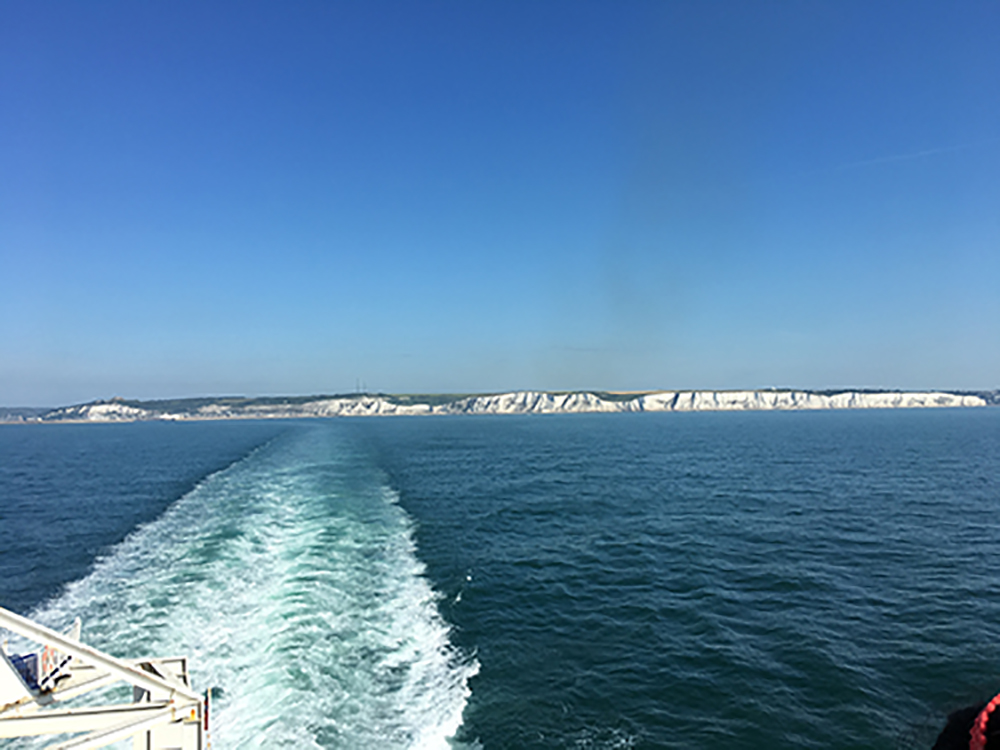
Boarding the ferry on a beautiful clear day, the sight of the white cliffs of Dover disappearing into the distance was a sight to behold, but brought to mind the feelings of those young men who had made the same journey from Dover, or Portsmouth or countless other ports but who had no idea whether they’d ever make the return trip to see them again!.
The first stop was Lochnagar Crater. The guide, David Thomson, told the harrowing story of the battle that commenced with the explosion of two mines set by the British. The size of the crater gives an indication as to the size of the explosion.
It sent soil so high into the sky that a passing Royal Flying Corps plane piloted by Cecil Lewis was thrown sideways and then subjected to soil raining into the cockpit!
The photos below do not do justice to the size of the crater!
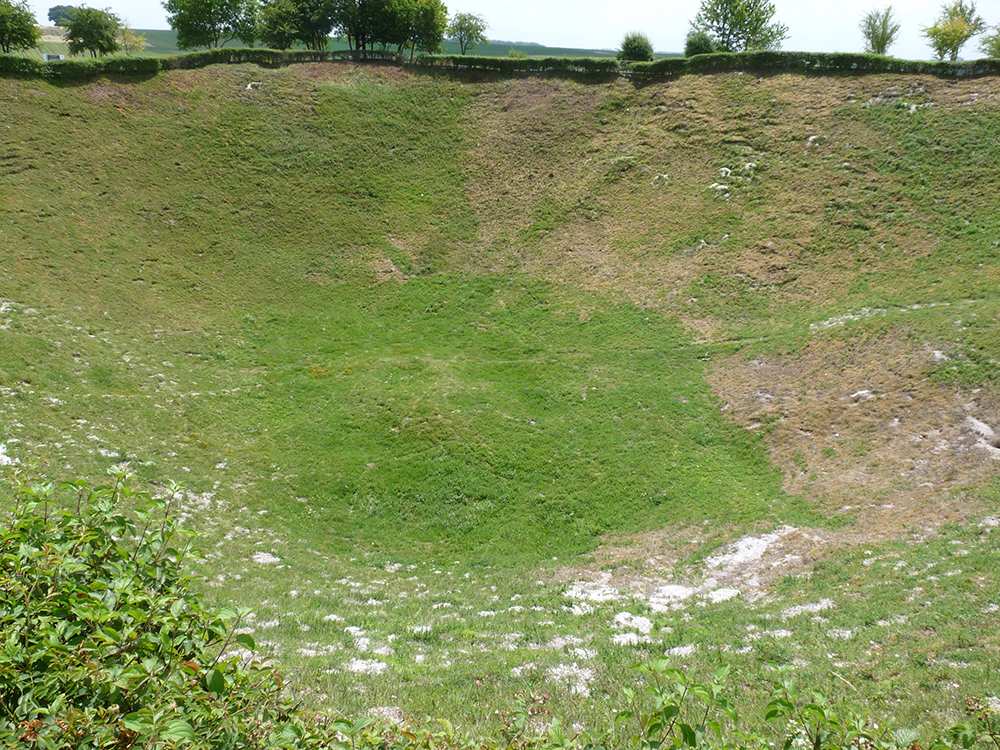
The Crater left by the exploded mine
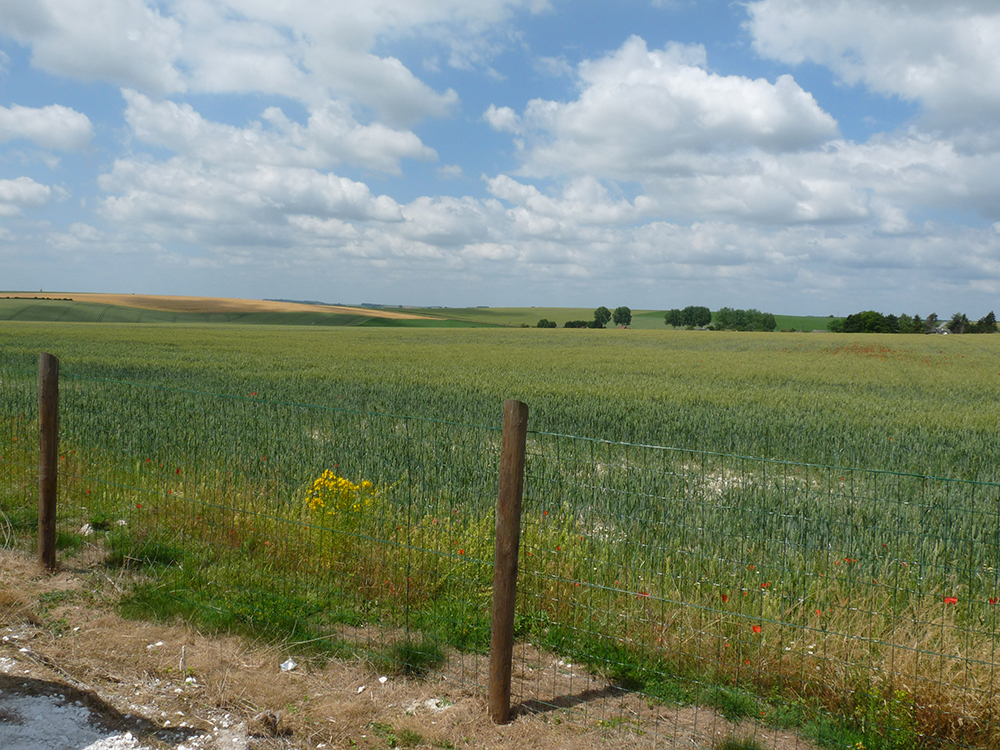
The battlefield that saw such huge loss of life
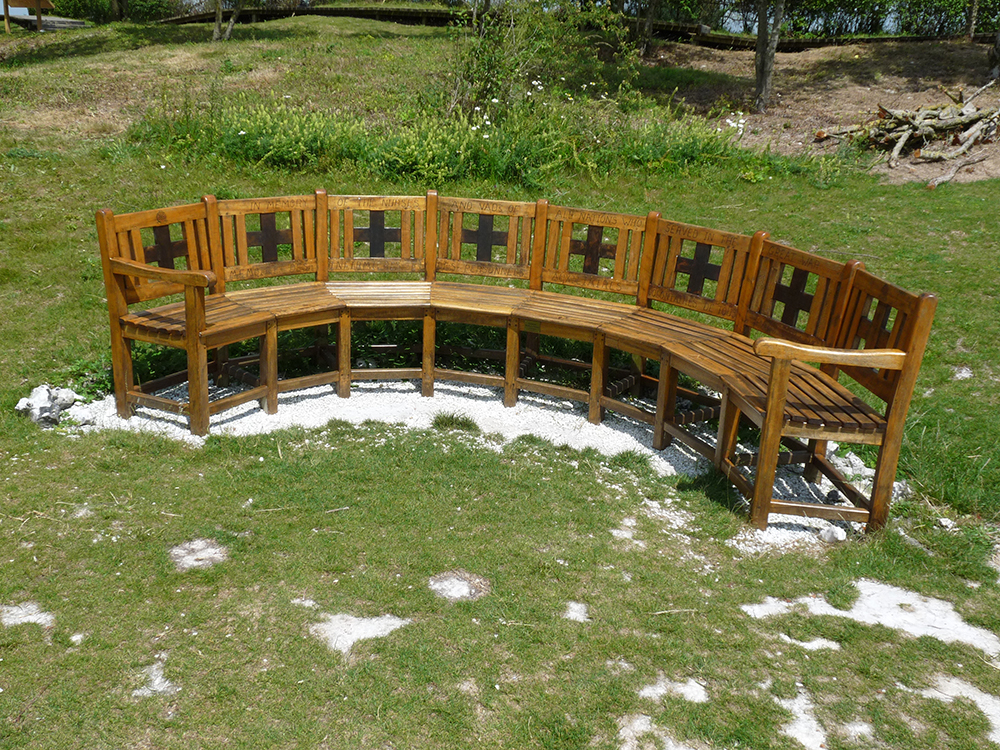
A bench to honour the contribution of Nurses
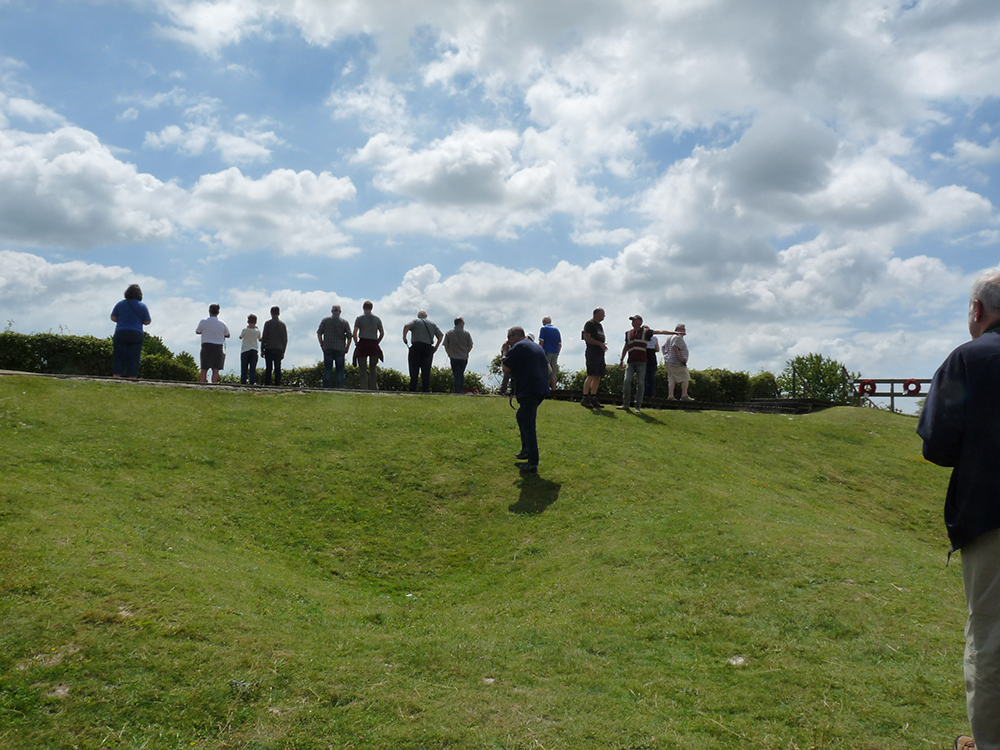
Standing on the ridge of the crater
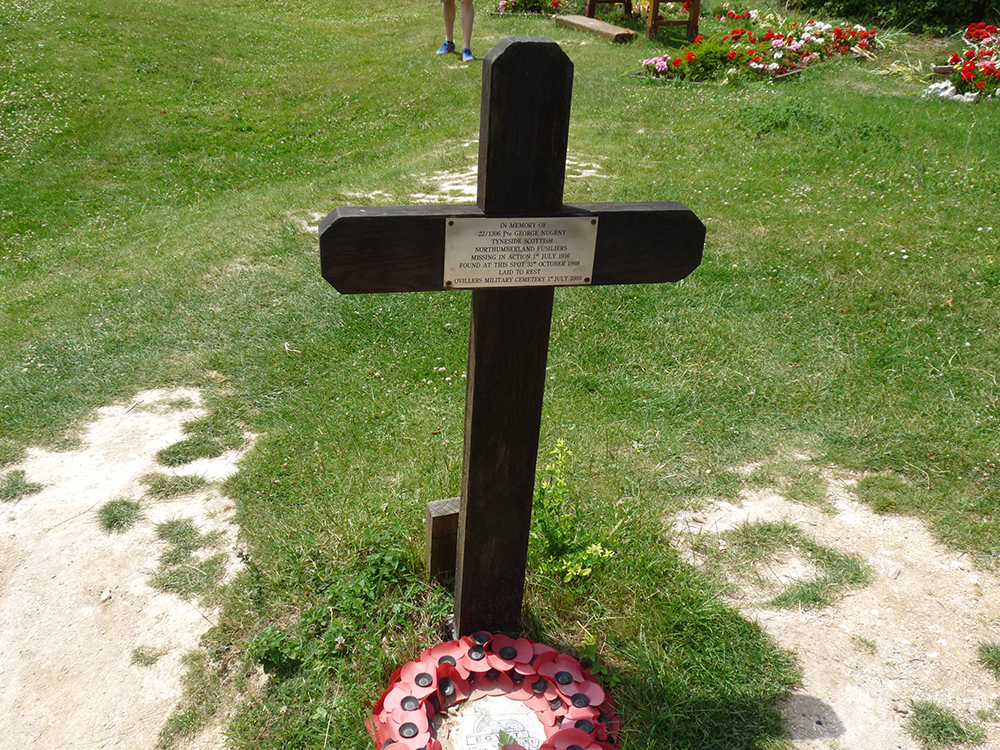
Marking the discover of the body of George Nugent
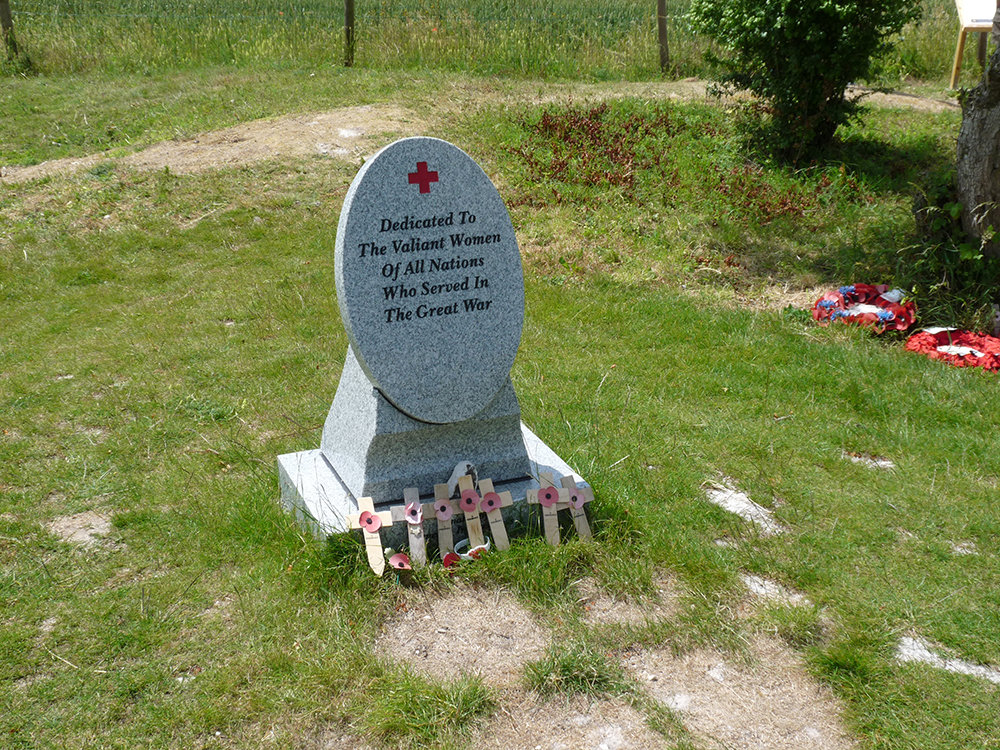
Marking the contribution of all women
Following the explosion of the mine, the British troops advanced to try to take advantage of the chaos they hoped it had caused in the German lines but within half an hour 6500 men had been killed. This was the first of many breathtakingly horrific facts that the tourists were to discover on this trip.
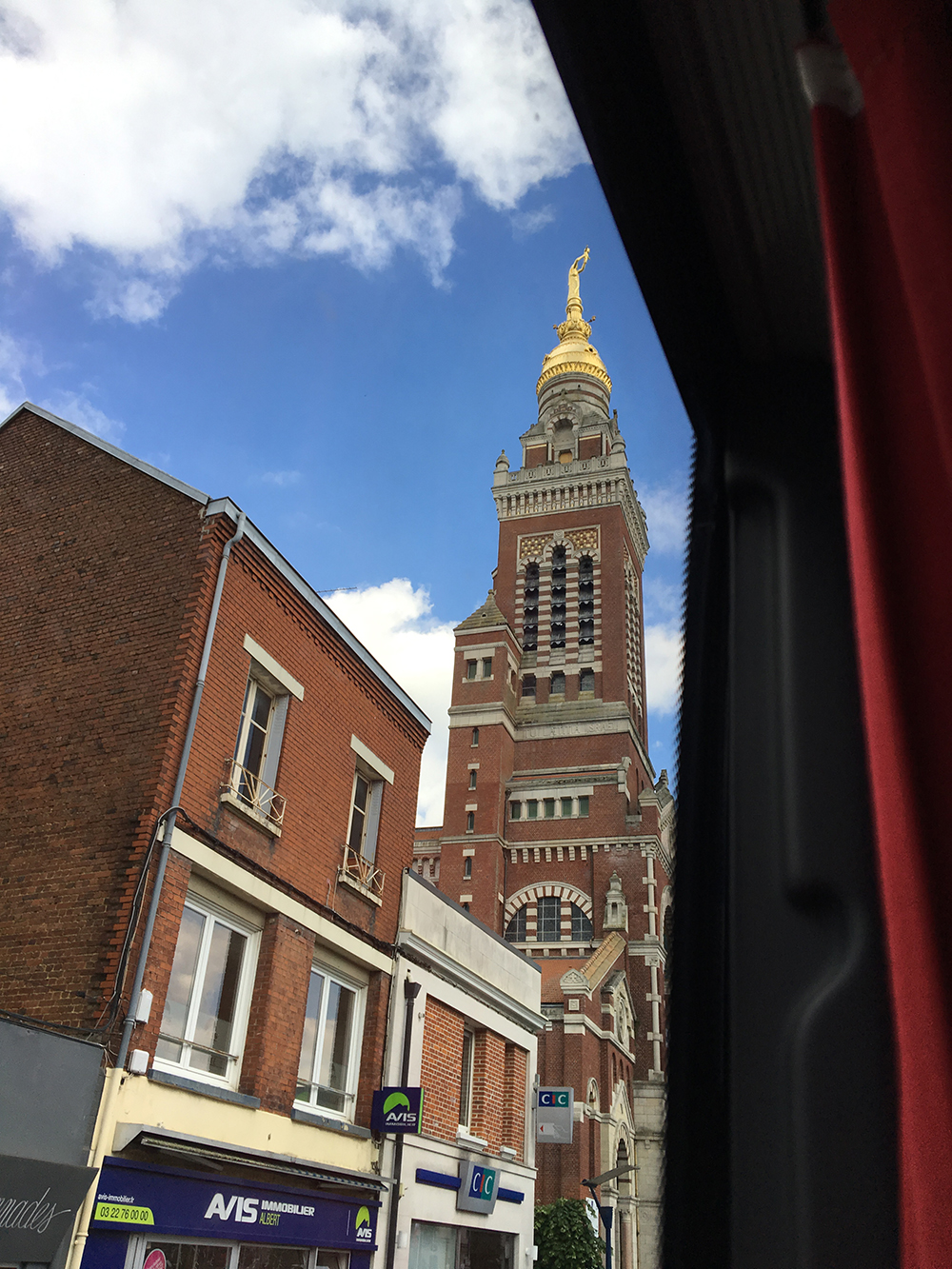
In the far distance, glinting in the sunshine was the statue of the Golden Madonna. It was a sobering and rather eery thought that this statue would have been visible to the soldiers during the battle. How strange must it have been to be fighting, seeing your comrades wounded and dying and then to look up and see a golden statue standing tall in the nearby town of Albert.
On a lighter note, the statue, perhaps inevitably, became known as the Golden Madonna with the big boobies – as in the TV comedy “‘allo ‘allo”.
The Golden Madonna Statue (left)
(taken from the coach window)
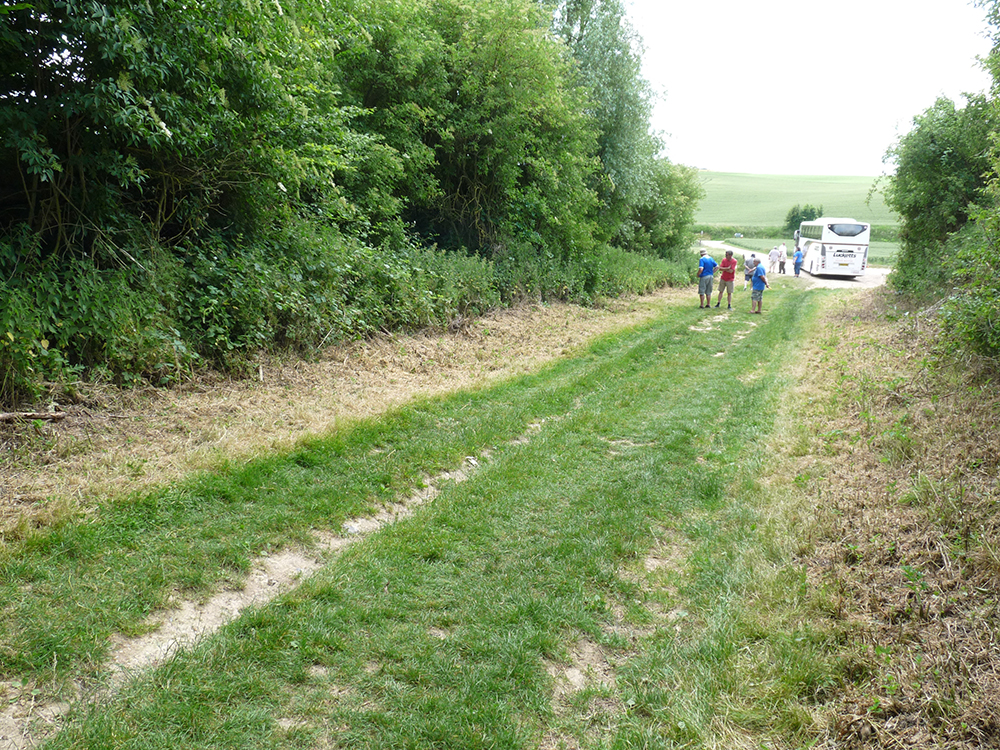
Sunken Road is a quiet and tranquil, country road today
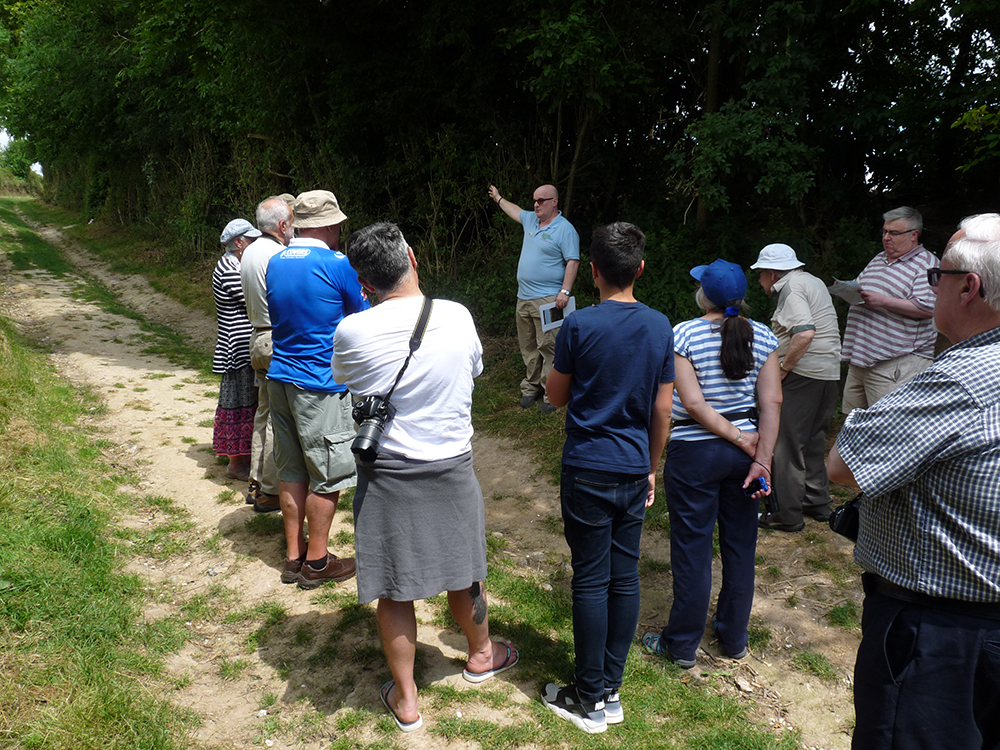
Listening to Paul from Baxter’s explaining the logistics of the battlefield
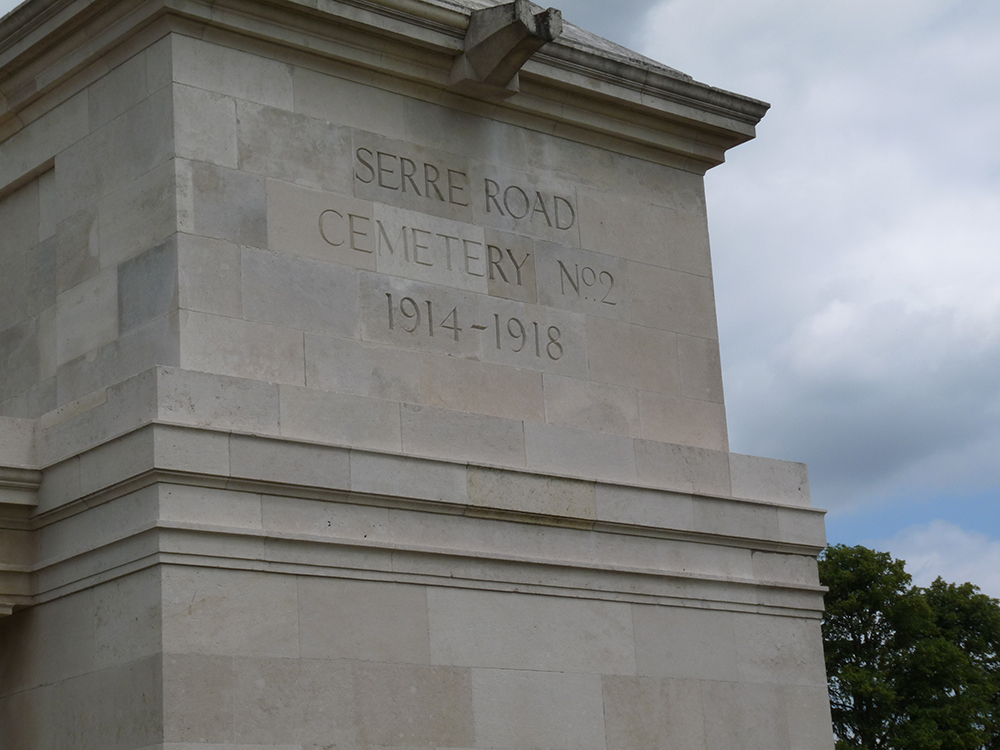
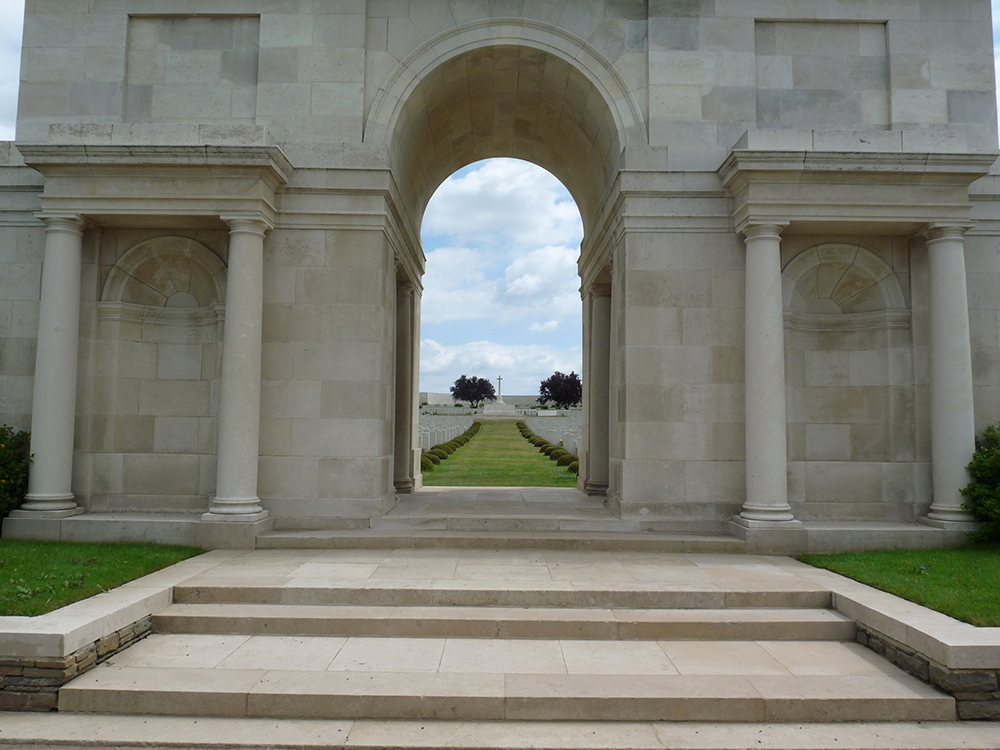
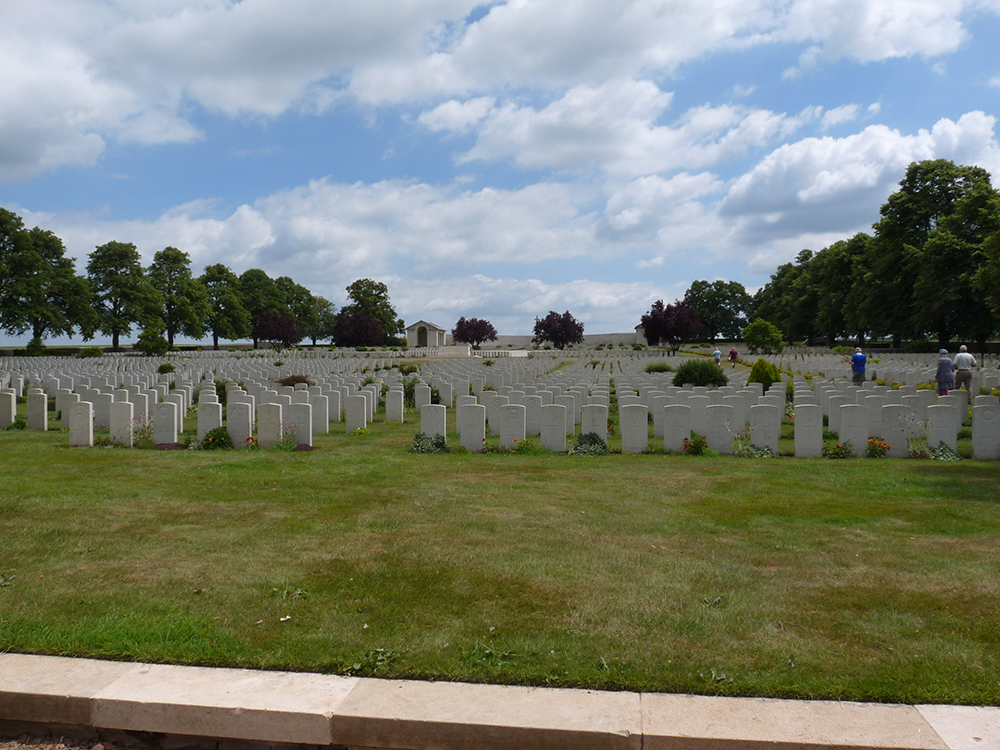
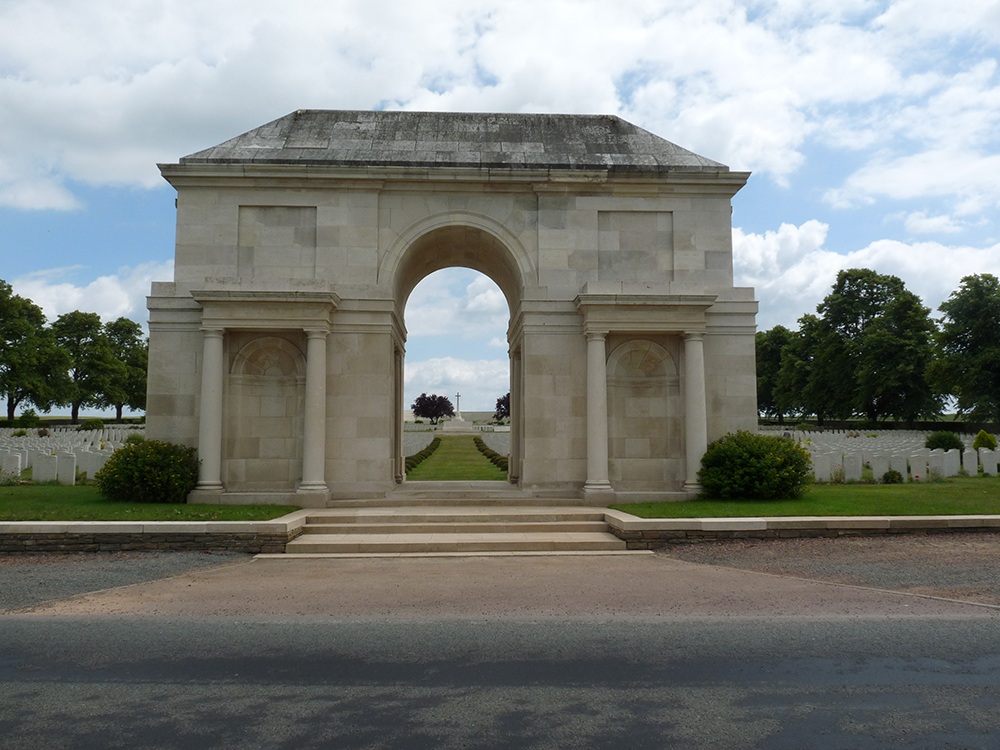
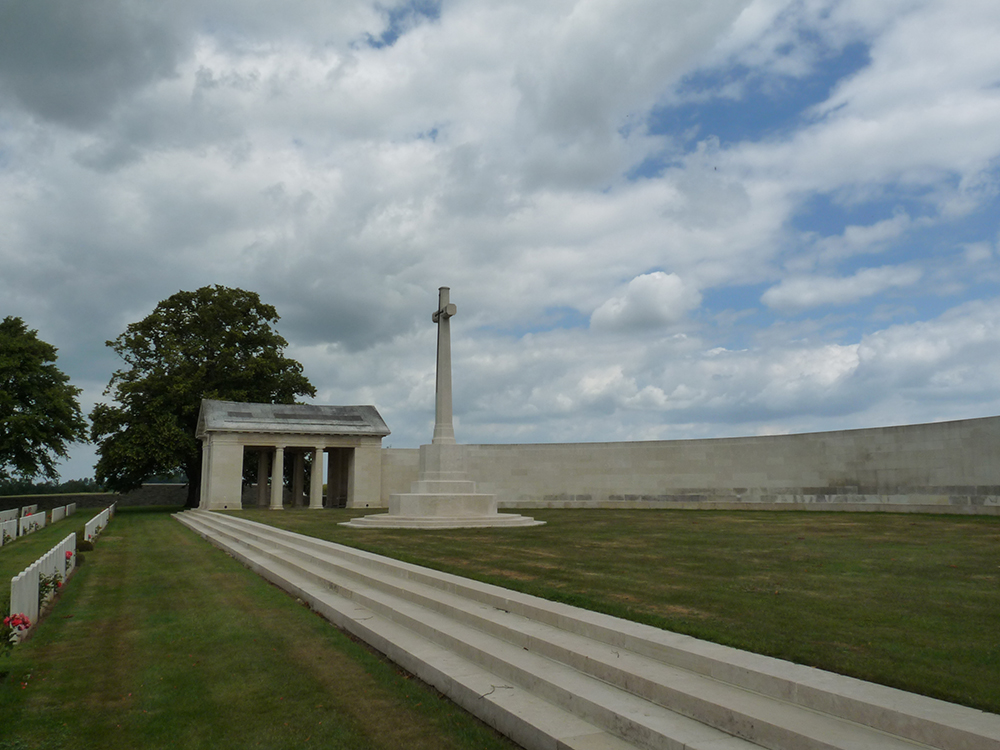
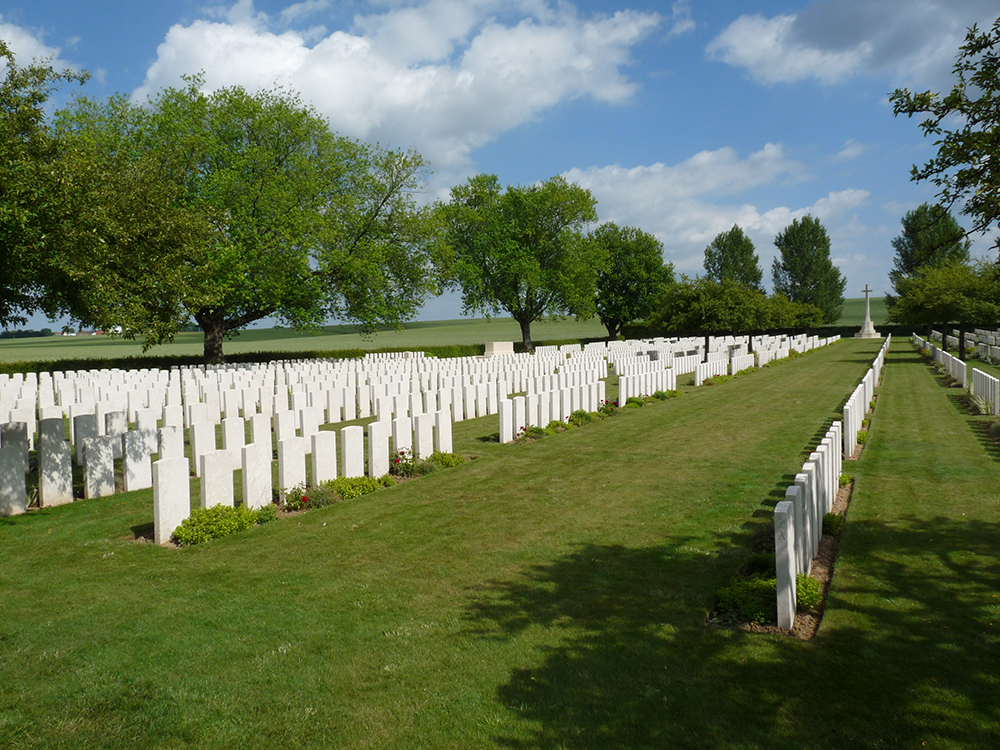
Serre Road Cemetery
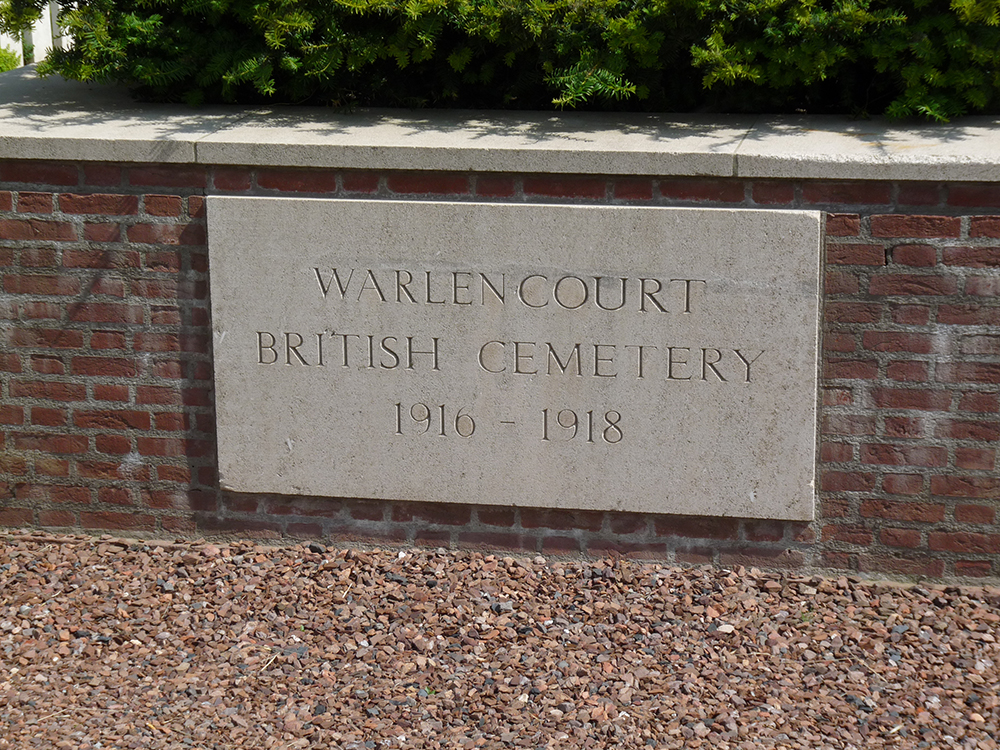
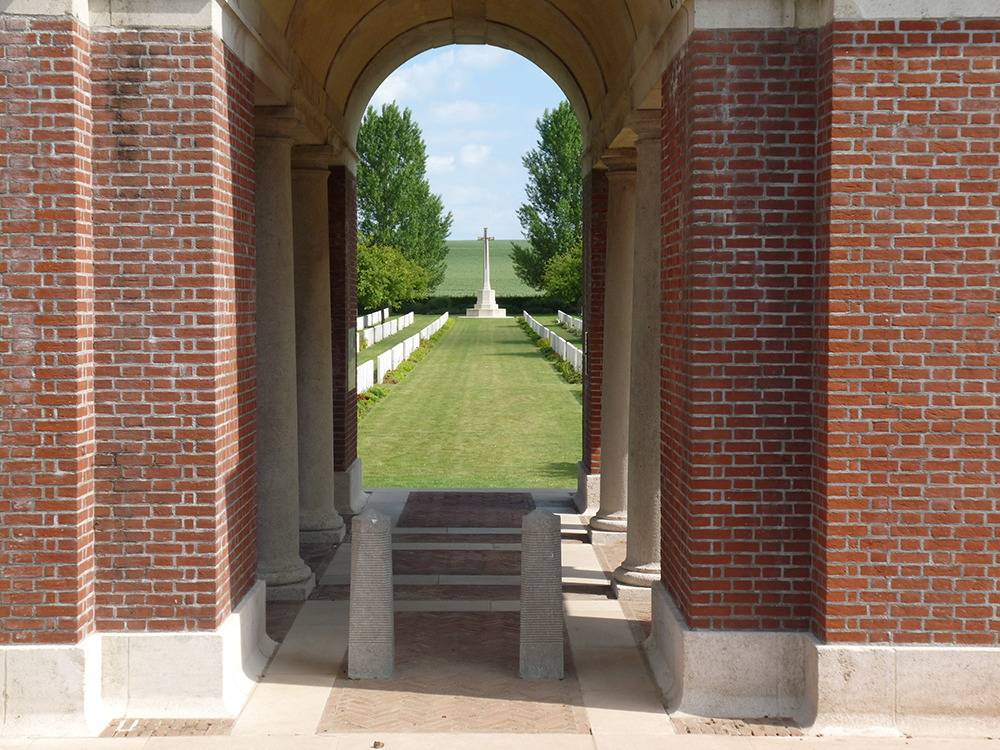
Warlencourt British Cemetery
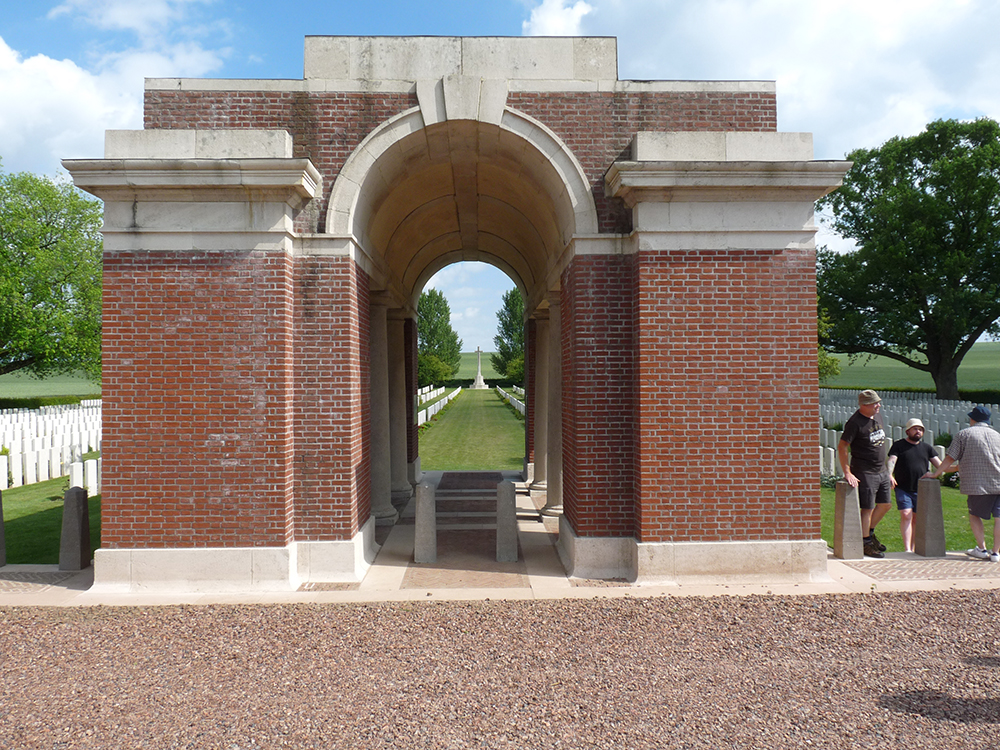
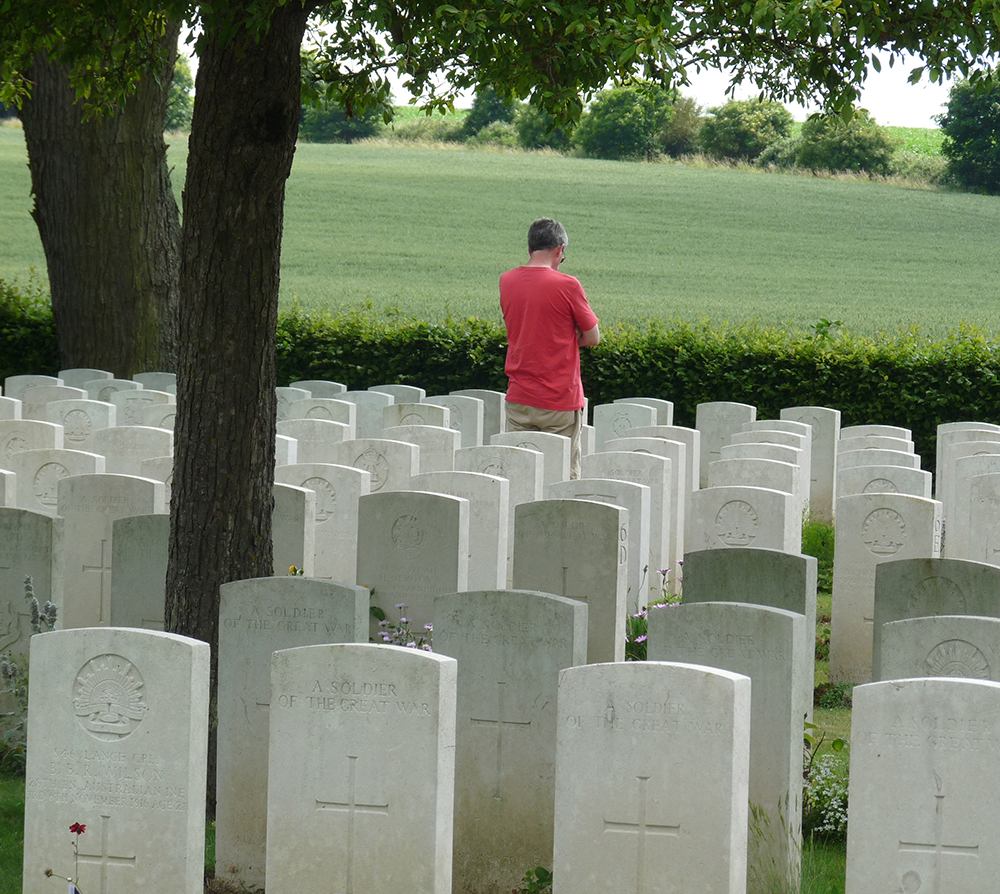
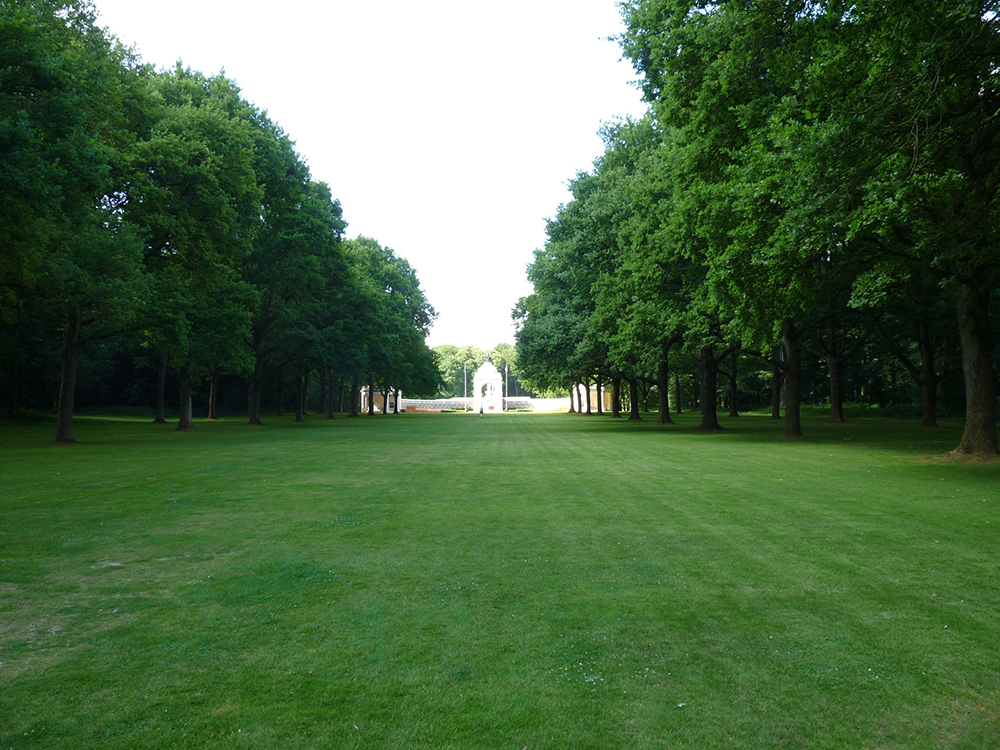
The South African Memorial at Delville Wood


With the sun now setting on a long day, the coach headed for the Belgian city of Ypres. This city was devastated during the First World War but the reconstruction of the impressive buildings, the stunning architecture of the main square, the iconic Menin Gate and the beautiful weather meant that the party had a culturally rewarding stay as well as partaking in the research of some local brews!.
So endeth the first day!
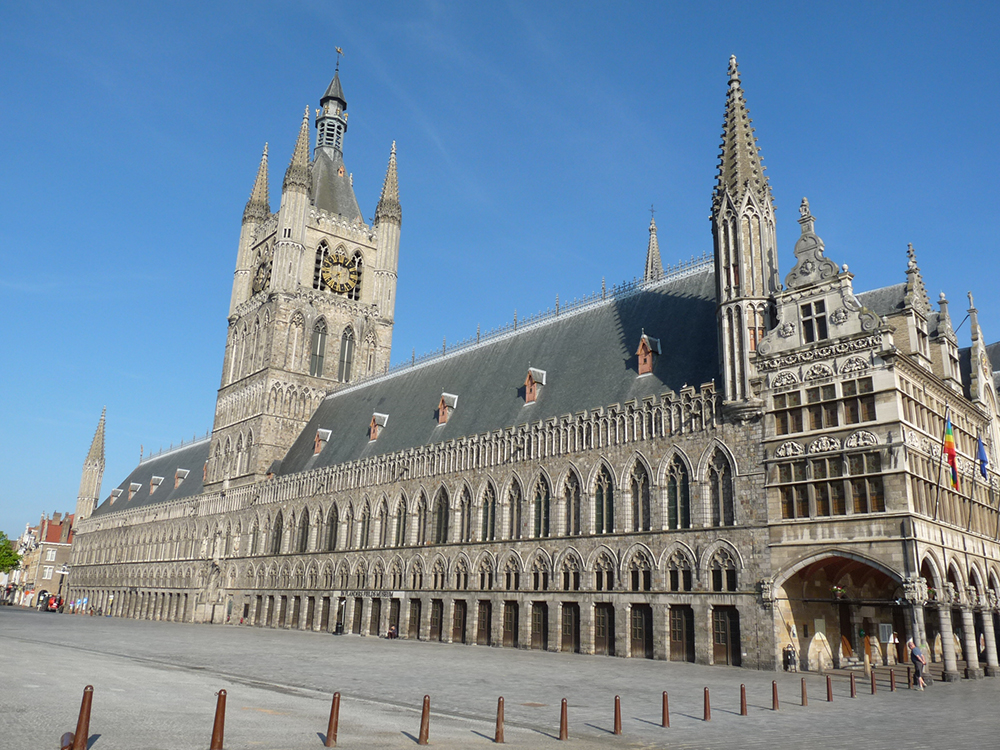
The spectacular Cloth Hall, that was almost totally destroyed during the Great War, is now totally restored and dominates Ypres today
Day Two
The Menin Gate Visiting the Menin Gate was first on the agenda of Day Two. Like the Thiepval Memorial, it contains the names of British, Irish and Commonwealth forces who have no known grave. There are 54,389 names inscribed on the memorial and every night since 1928, the road through the gate is closed to traffic so that at 8pm the buglers from the local Fire Brigade can perform the Last Post ceremony and wreaths can be laid.


Having explored the memorial and inspected the inordinate number of names inscribed on it, it was time to move on to the next engagement of the day.
However, on the way there was a rather unfortunate diversion. Having discovered the road was closed, the satnav then sent the coach into what appeared to be a housing estate. Things began to look bad when the coach was struggling to turn corners without threatening road signs or people’s houses. As the coach progressed, the roads became more and more narrow until it got to a place where the corner was impossible to negotiate. At this point the driver earned his stripes. Despite having a coach full of back seat drivers plus the residents of the houses watching and wondering what was going on, the driver proceeded to reverse the coach all the way back out of the estate. This was a long and precarious task; cars parked on both sides of the road and narrow roads with tight corners. Having finally freed the coach from the cul-de-sac, a round of applause borne out of admiration and huge respect broke out on the coach!
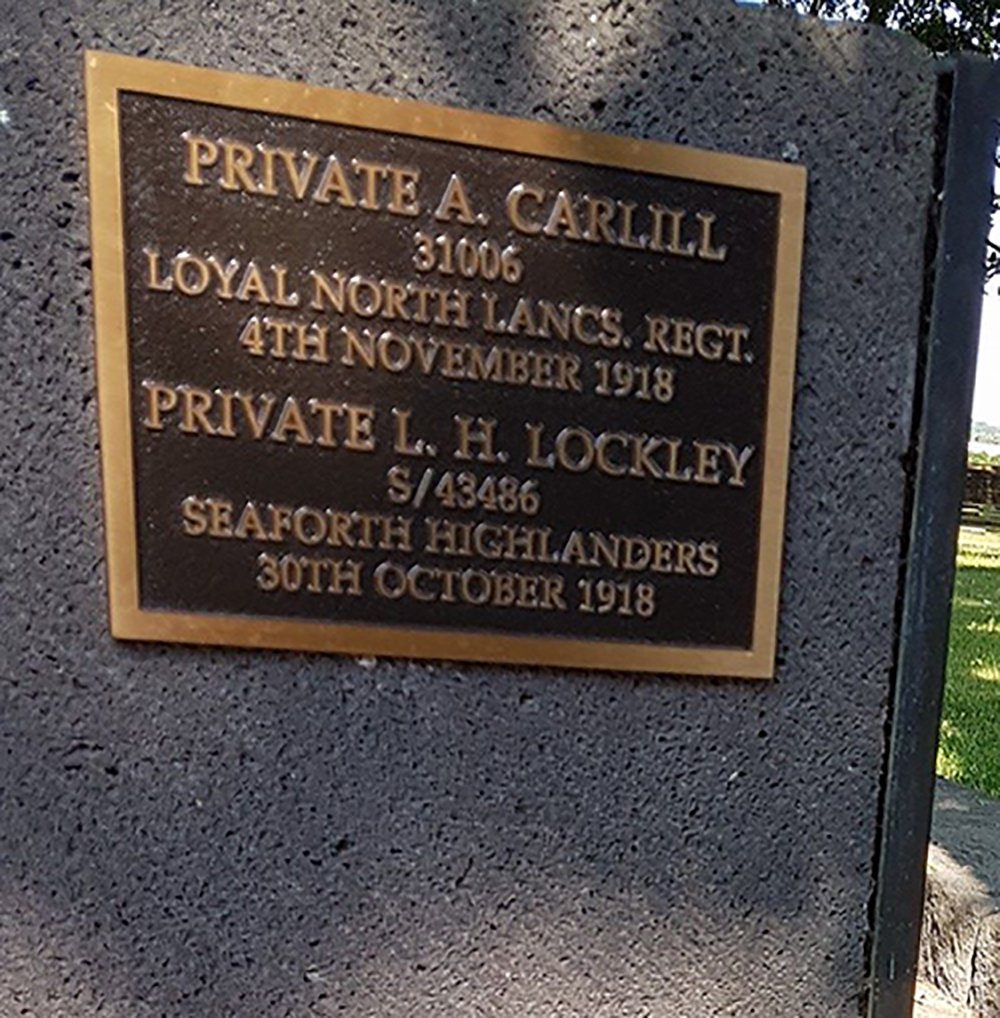
The look and feel of the German cemetery is in stark contrast to that of the British/Commonwealth troops. Whilst the CWGC aim to make the cemeteries have the feel of a British country garden, the German version is an altogether more basic, no frills approach.
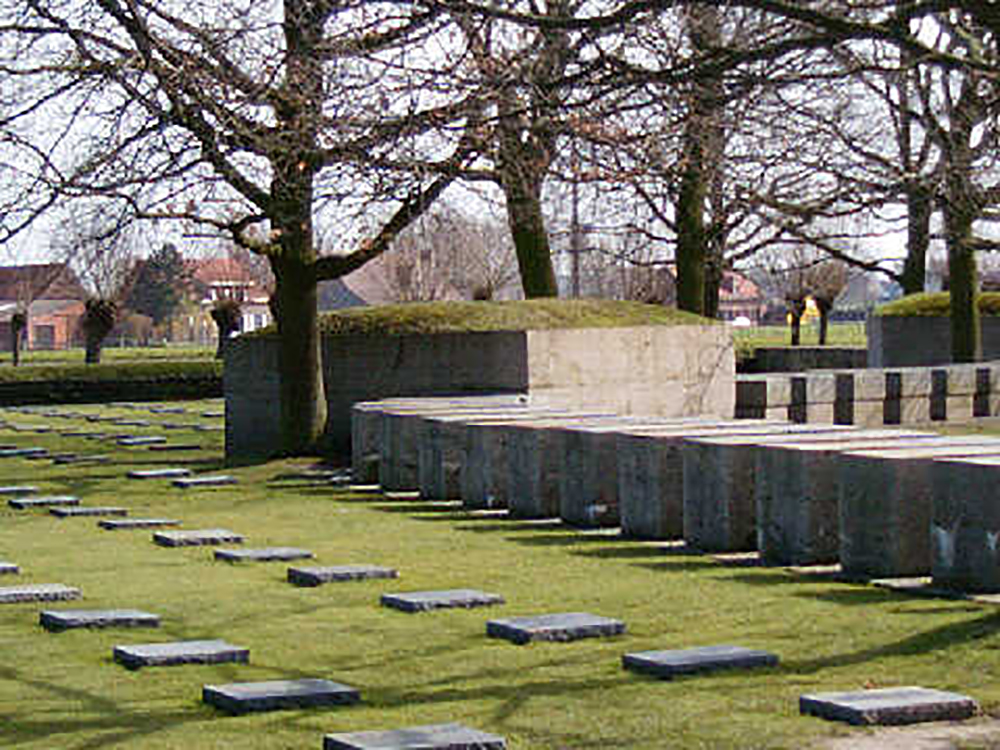
Langemaark German Cemetery
There also stands the figures of four mourners looking over all those buried. The graveyard was once visited by Adolf Hitler which could account for the rather unnerving feel to the place made worse when a large group of bikers slowed down whilst saluting in the Nazi style as they passed.
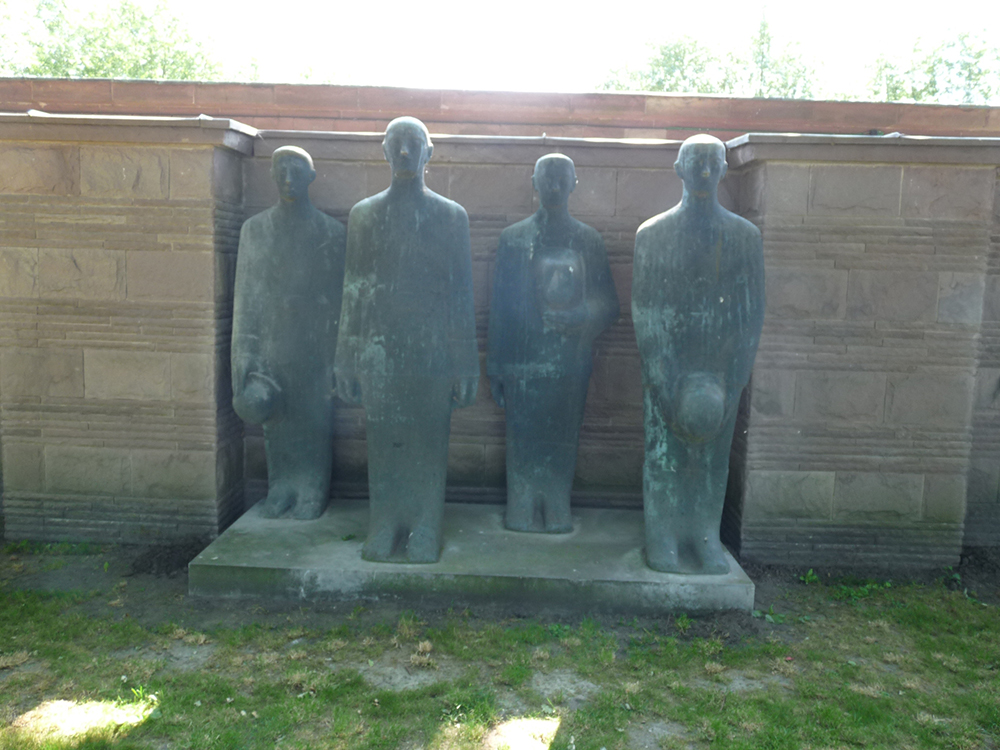
The Four Mourners
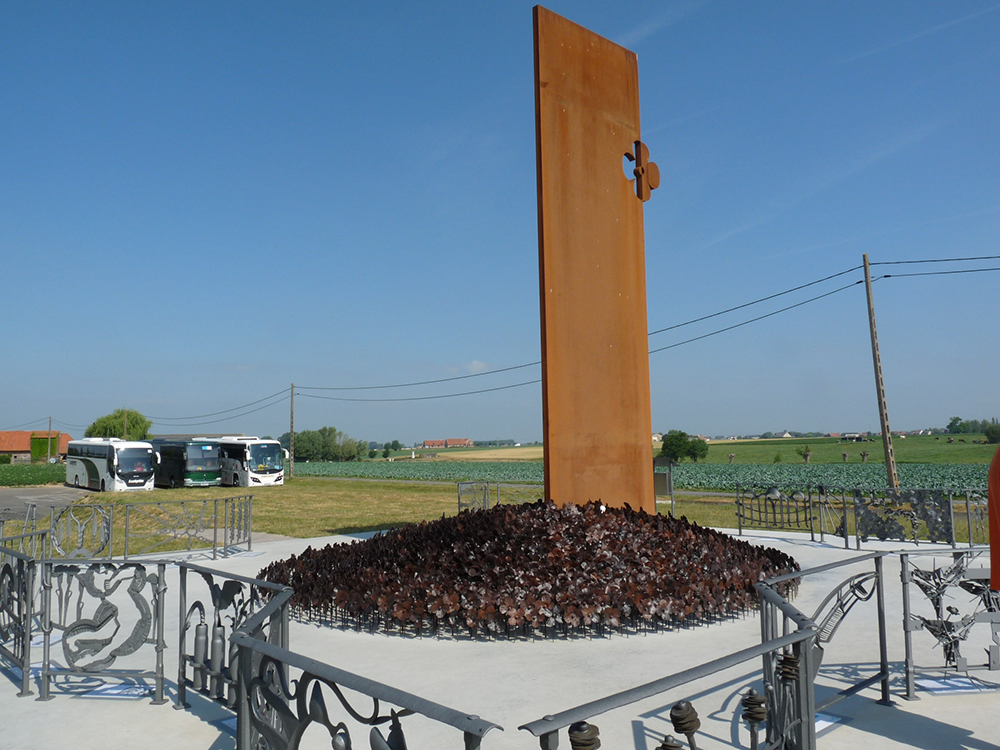
Metal Poppies at the base of the monument outside the cemetery


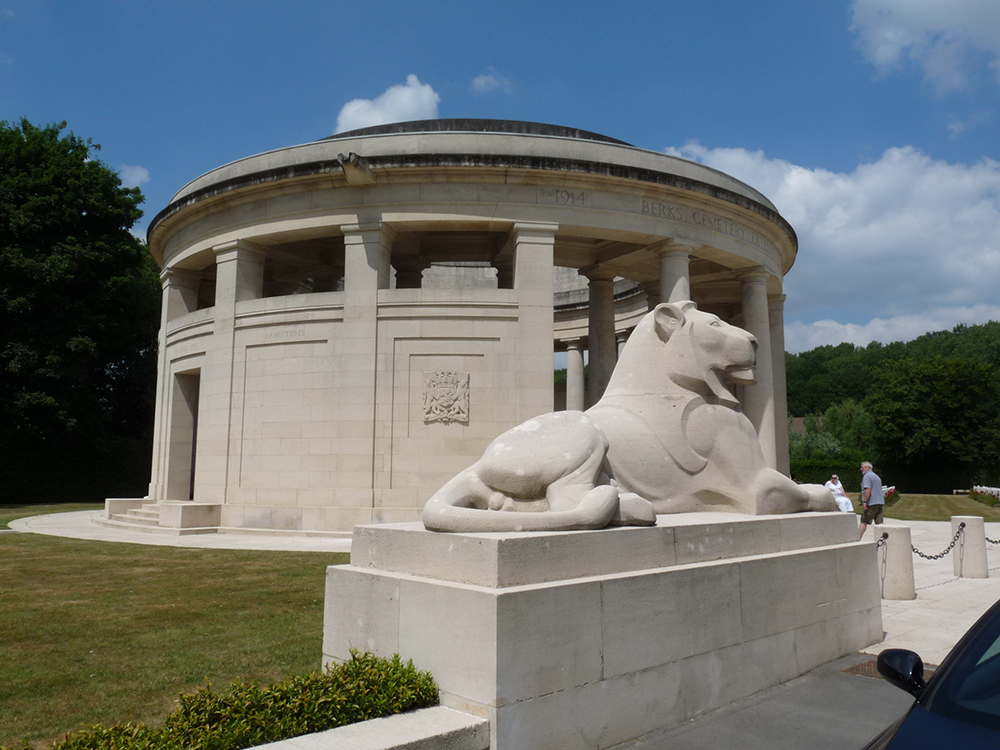
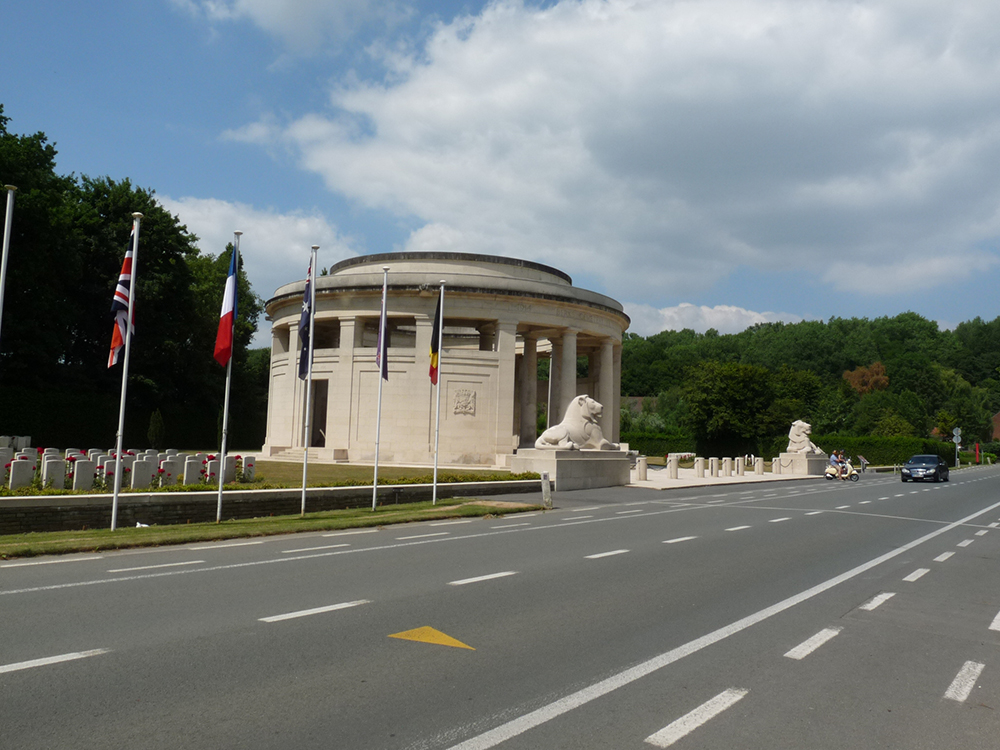
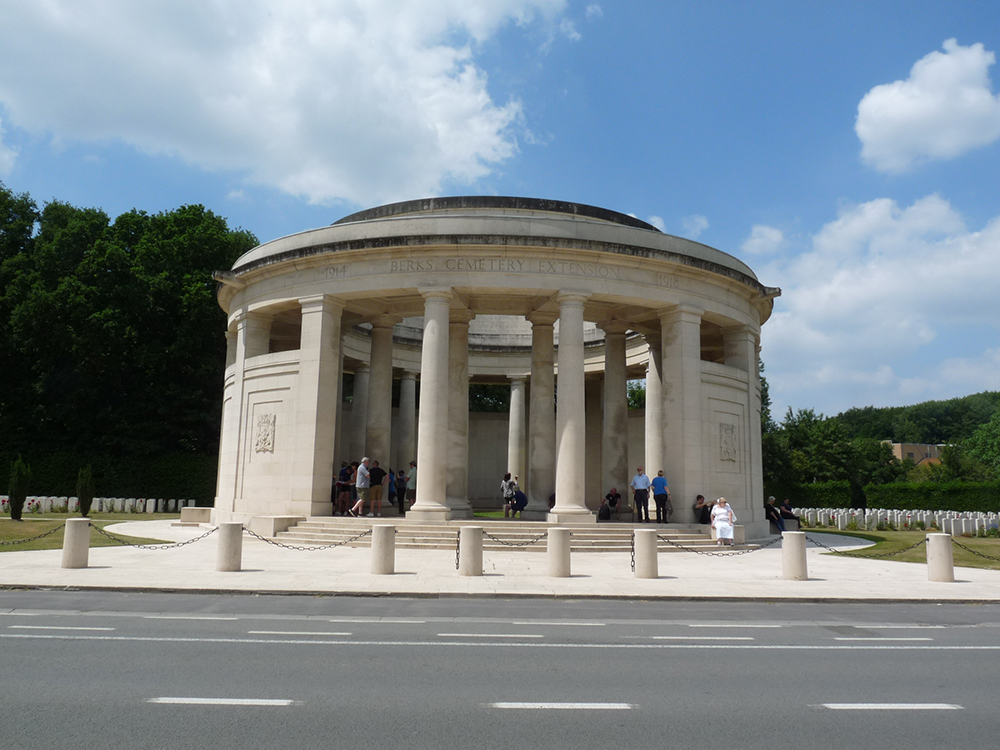
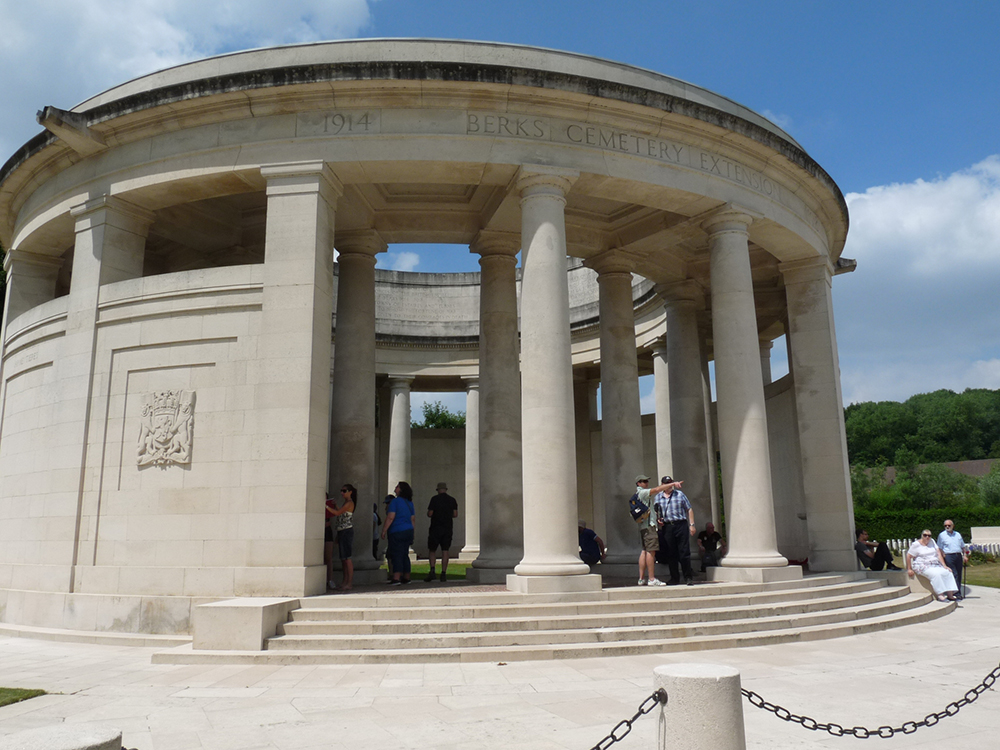
Ploegsteert Memorial
Walking through the rows and rows of headstones, beautifully maintained by the Commonwealth War Graves Commission, it is difficult not to look at the ages of the boys who lie at rest and imagine the horror of losing a son of similar age. The youngest casualty found, Private B H Boseley of the Notts and Derby Regiment, was aged just 16. It is hard not to feel emotional for a boy who hadn’t had time to experience many of the joys of life before being thrust into a hell-like environment and then losing his young life. It is hard to imagine the heartbreak felt by his mother on receipt of his death penny!
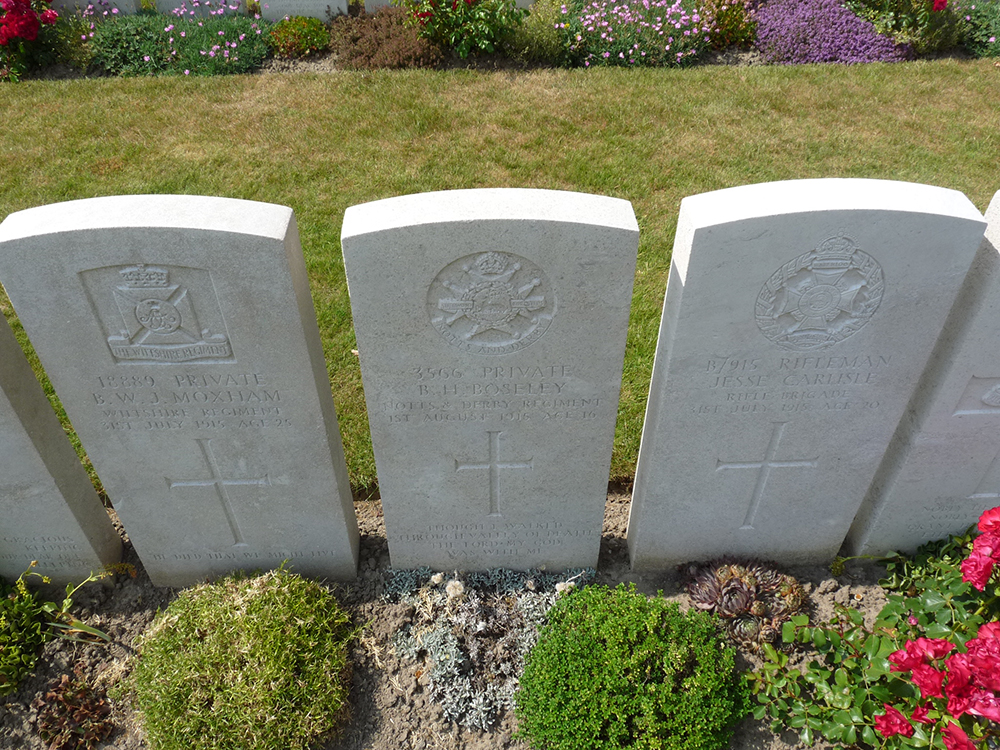
Headstone of Private Boseley 16 Years Old
Another mother had her son’s headstone inscribed as follows:
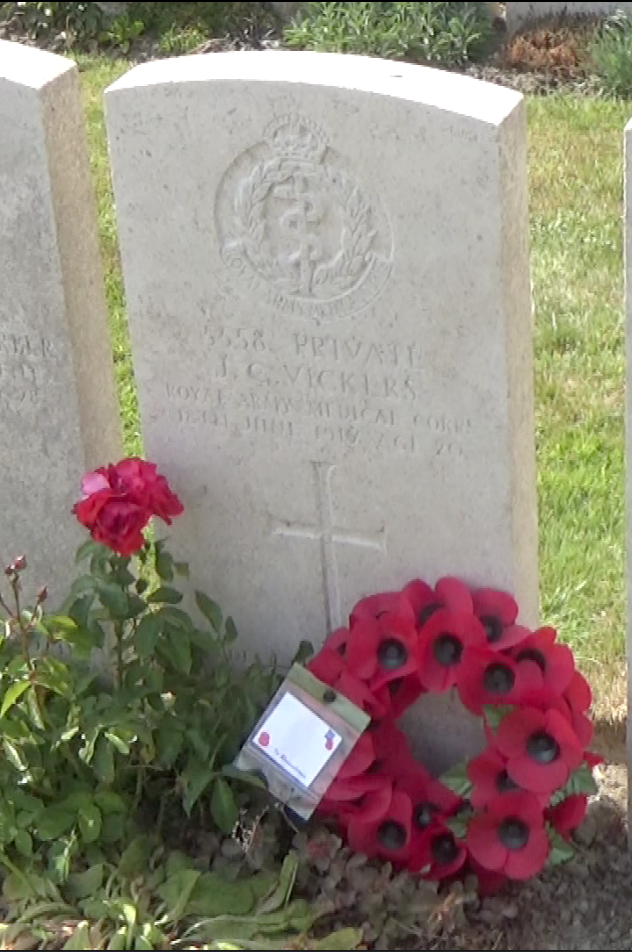
Private John Vickers from Portsmouth
In a touching gesture, Baxters Battlefield Tours scheduled into the visit to Lijssenthoek the laying of a wreath at the grave of a young man from Portsmouth. The research by Baxters Battlefield Tours found that Private John Charles Vickers served in the Royal Army Medical Corps, 72nd Field Ambulance and died on 18 June 1917 – exactly 100 years to the day of the visit. Following the placing of the wreath. Paul Prendergast read the poem “In Flanders Fields”.
The small ceremony was very poignant and a fitting way to conclude the visit to Lijssenthoek cemetery.
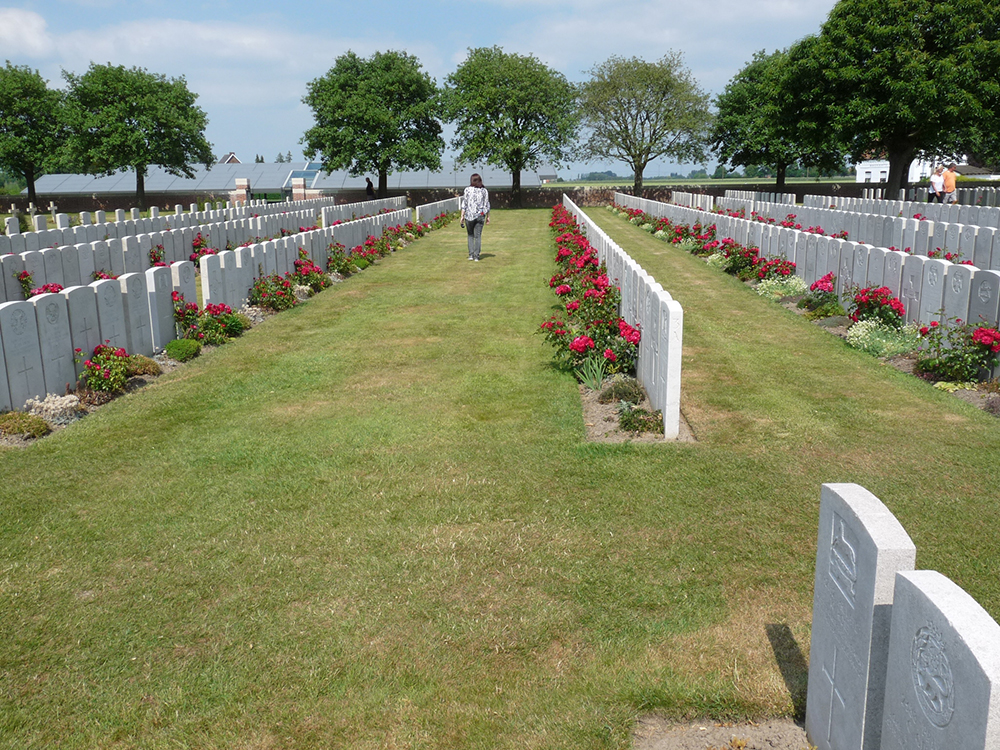
The English roses blooming
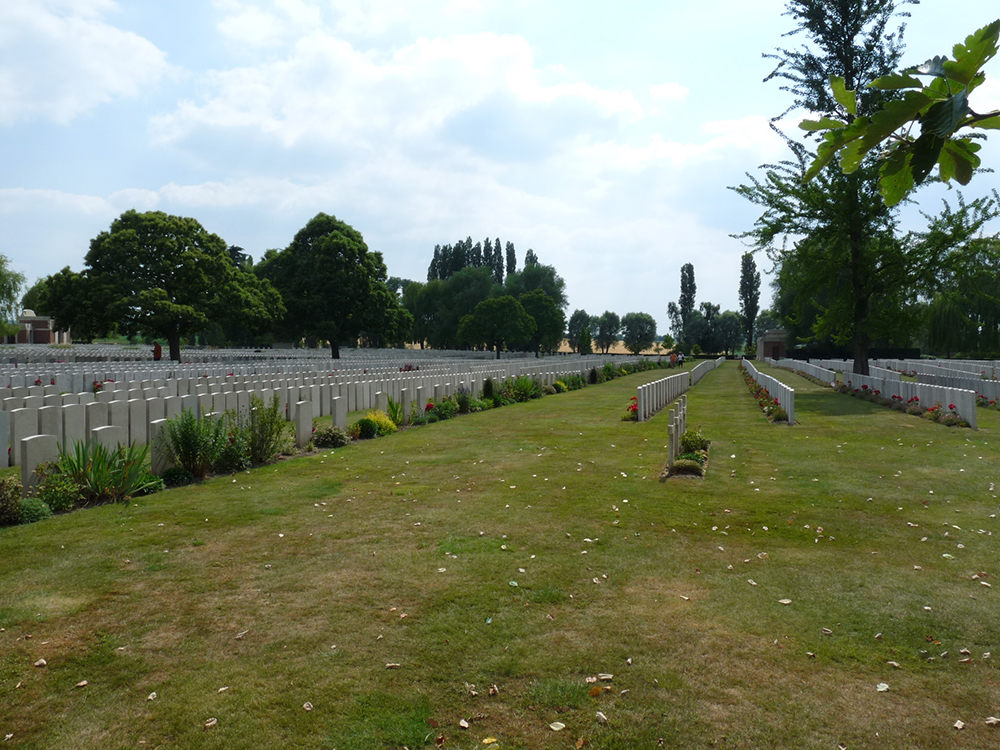
48 Portsmouth men are at rest here
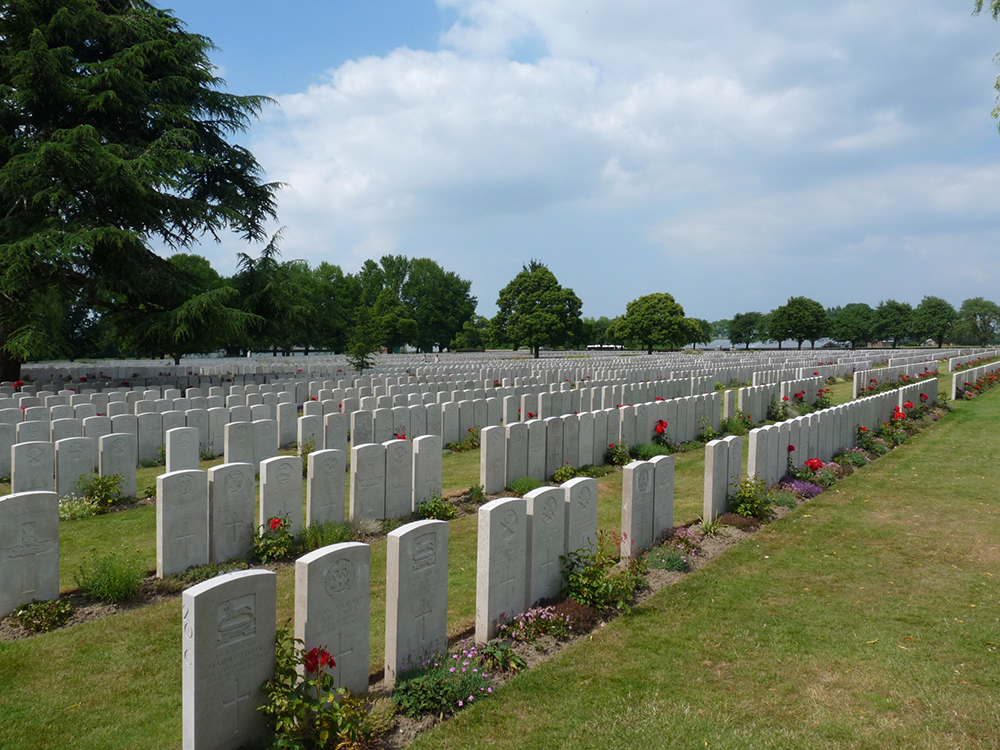
Row upon row of young men and some women
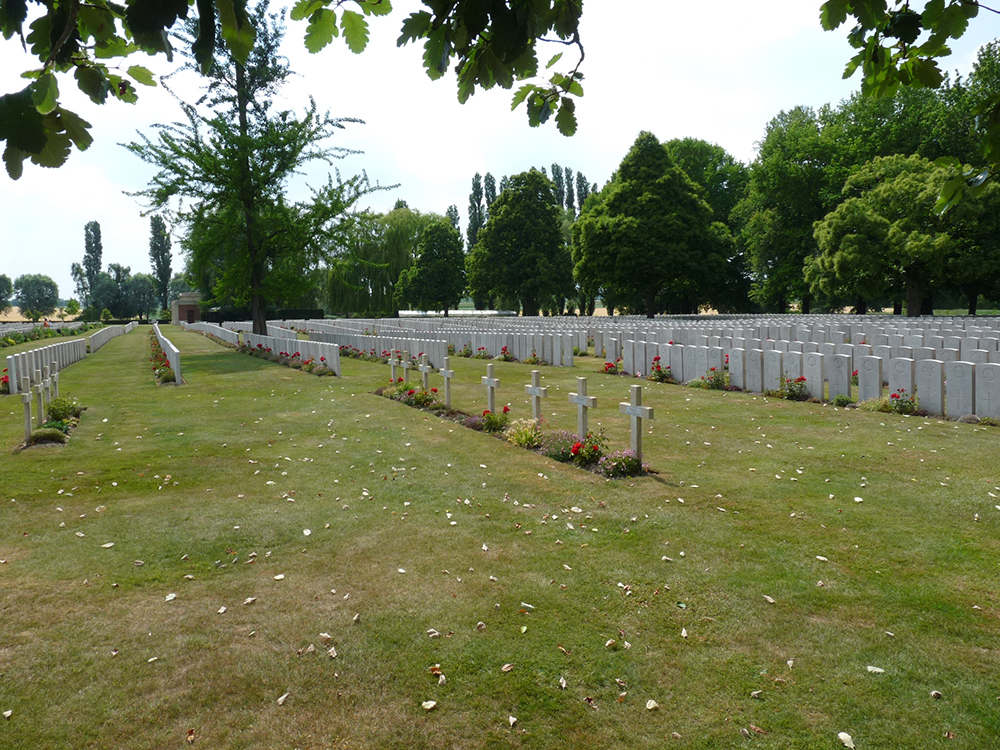
The crosses are the graves of French soldiers
Tour highlights One of the highlights of the tour was Alan Stilwell’s visit to his grandfather’s grave at the former St Julien Dressing Station, now St Julien Memorial. Alan explained that he felt lucky to be able to visit this grave. The reason for this being that, having visiting Thiepval the day before where all those listed had no grave and that his father who was killed in World War 2 in the Malaysian Jungle, also had no grave, at least he could visit the location of his grandfather’s remains. His happiness at being able to share this with the group was obvious as Alan kissed the headstone and posed for pictures. The effect on the rest of the group was a huge wave of emotion with many hiding their tears behind their sunglasses whilst others went for a strategic walk! That moment summed up the personal touch of the tour – something that wouldn’t have been possible with bigger tours!
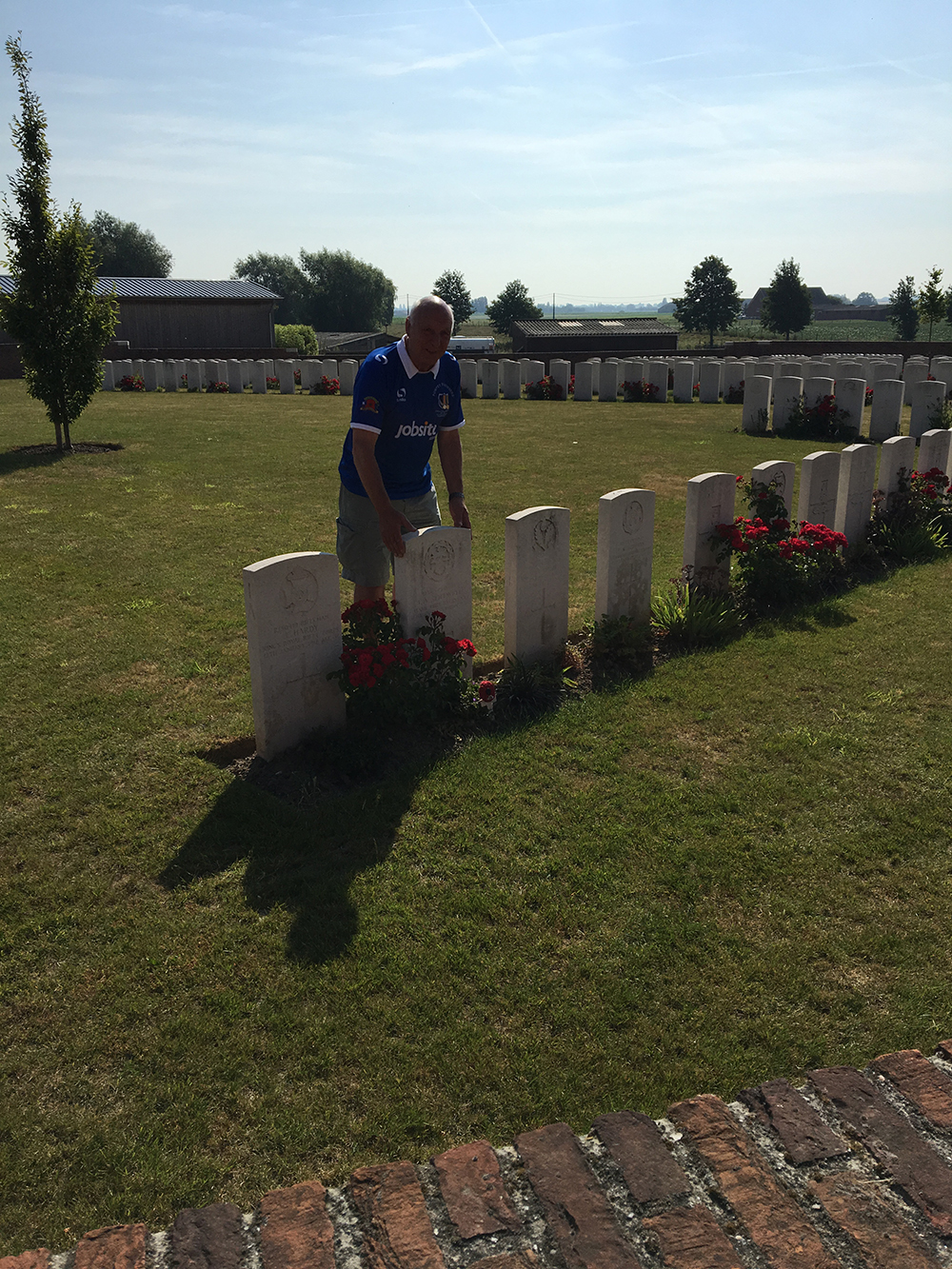
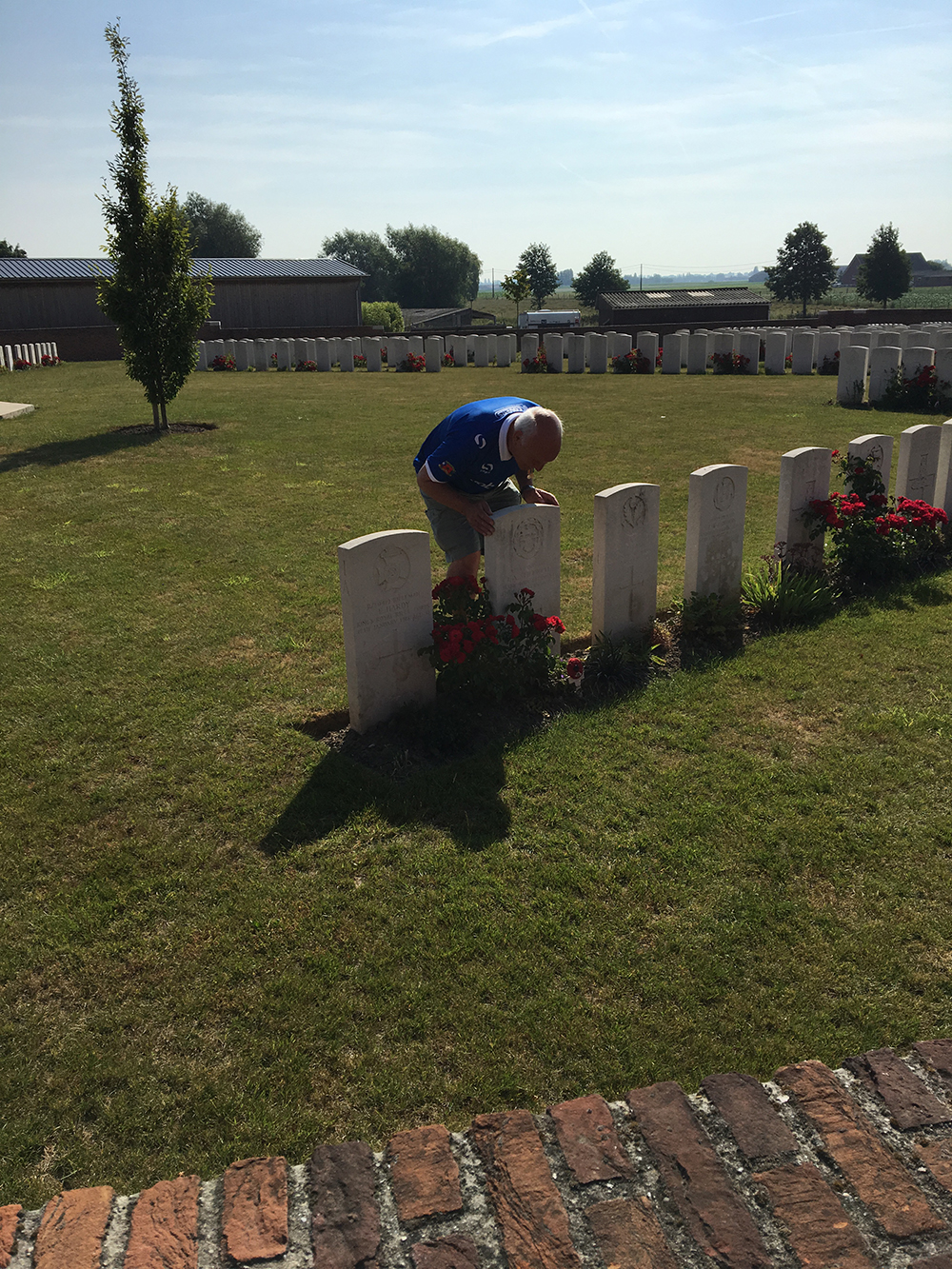
Alan proudly poses at his Grandfather’s grave
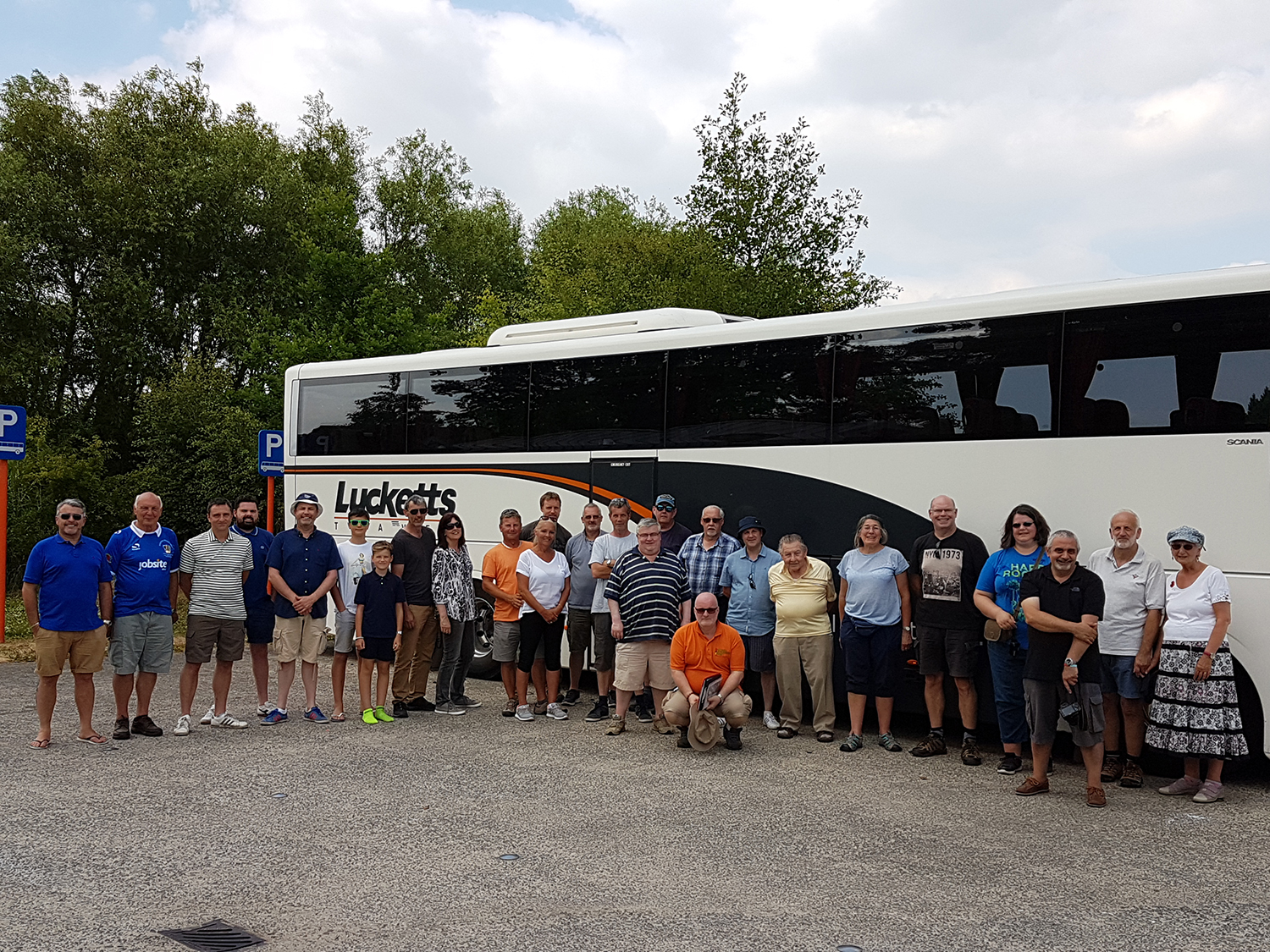
Pompey Remembers Tour 2017